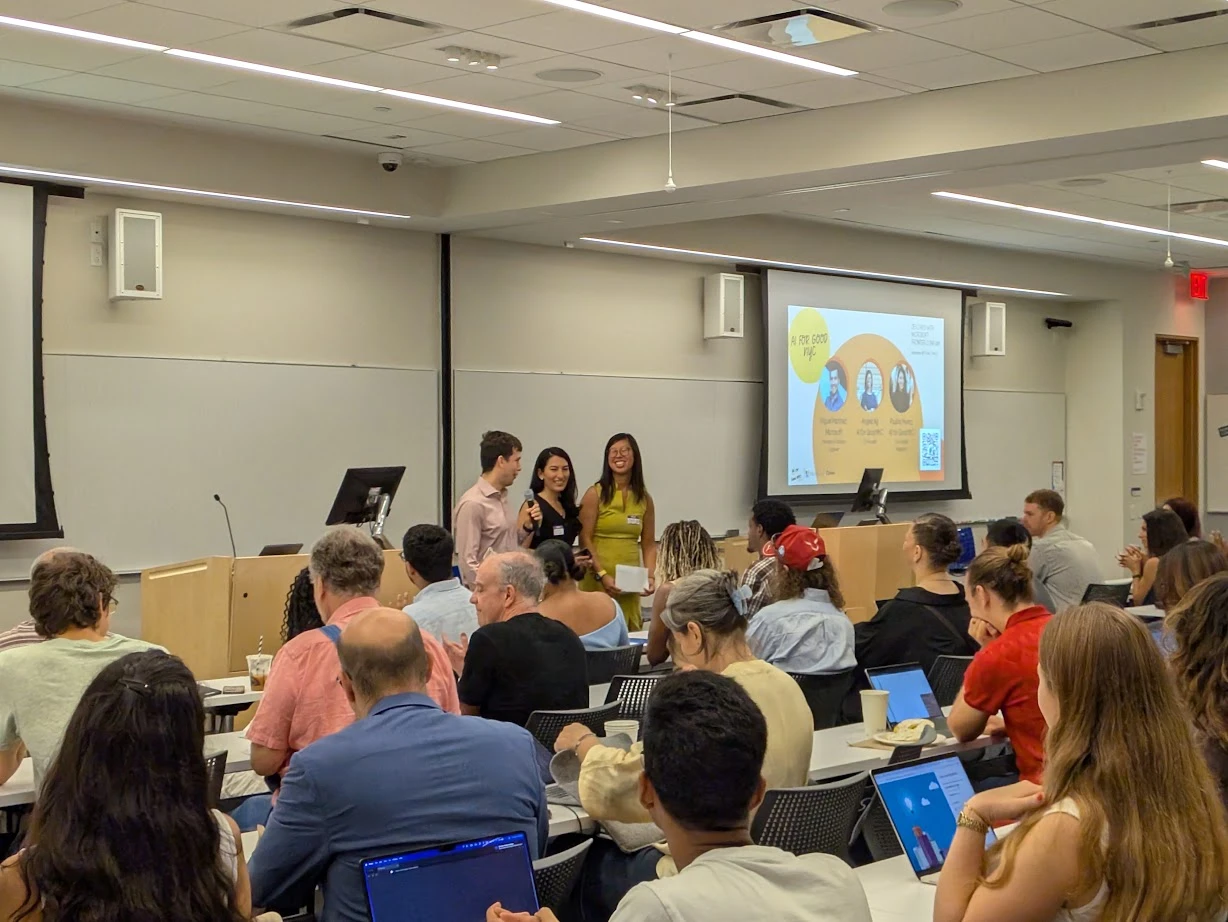
AI needs to work for everyone.
Co-founded Humanity in the Room (formerly AI for Good NYC) to bring together the people who build AI and the people who know what tools are actually useful in their communities. Eight events, more than 2,000 members.
I help institutions decide whether, when, and how to adopt AI without harming the people they serve.
Humanity in the Room (co-founder), consulting, writing.
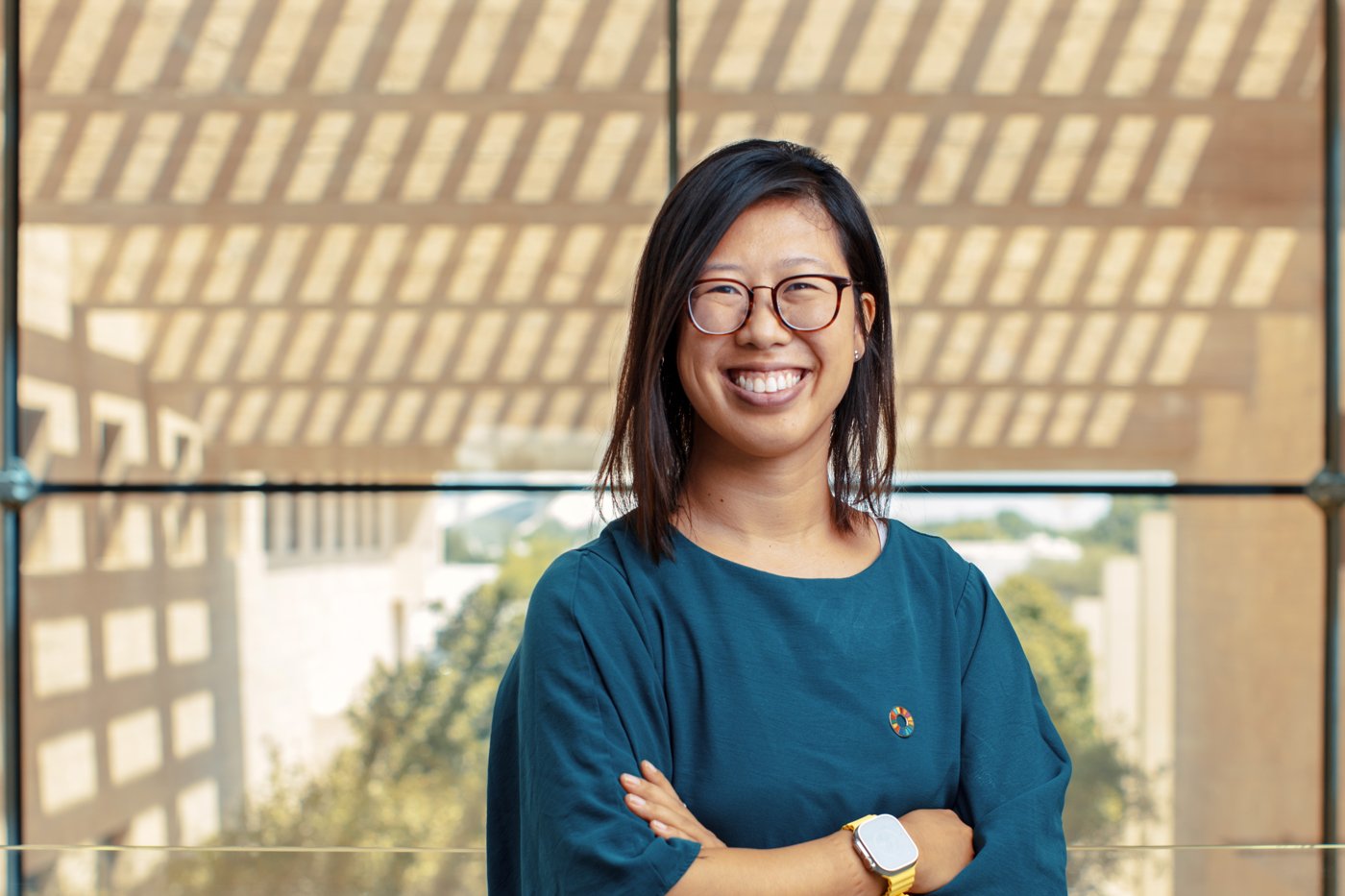
I am a strategic leader operating at the intersection of AI innovation, global health, and climate resilience.
I translate complex technologies into human-centered solutions, building and scaling data-driven programs that create sustainable, real-world outcomes. I believe in getting things done with patient urgency.
Worked in Bangladesh, India, the DRC, South Africa, Zimbabwe, Rwanda, and Qatar.
Co-founded Humanity in the Room (formerly AI for Good NYC) to bring together the people who build AI and the people who know what tools are actually useful in their communities. Eight events, more than 2,000 members.
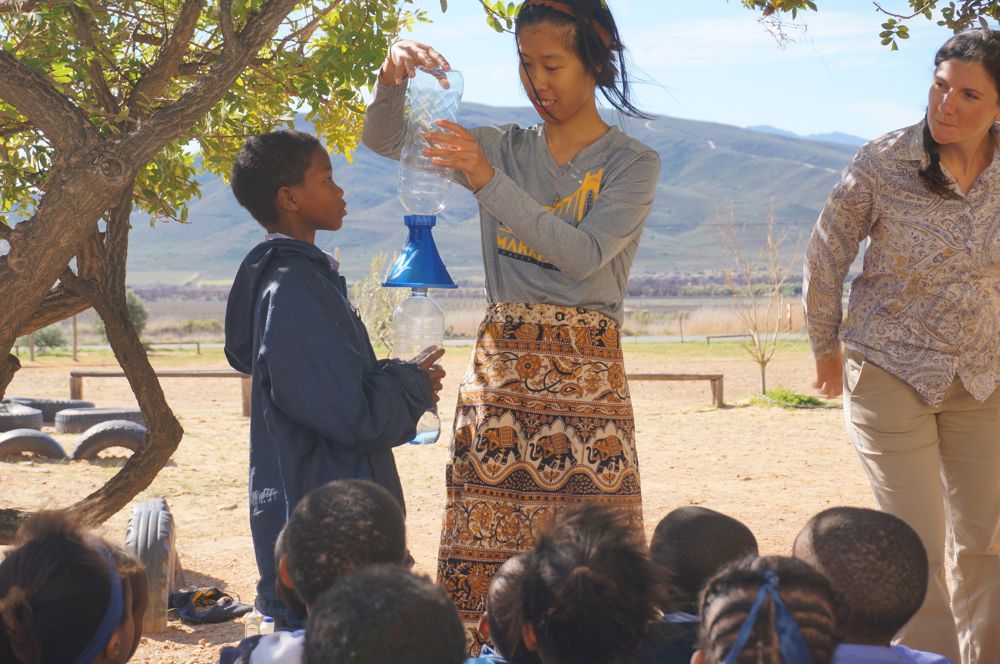
Product engineer and microbiologist on the Drinkable Book. Silver nanoparticle filters tested in villages across Bangladesh and South Africa (2015 to 2017).
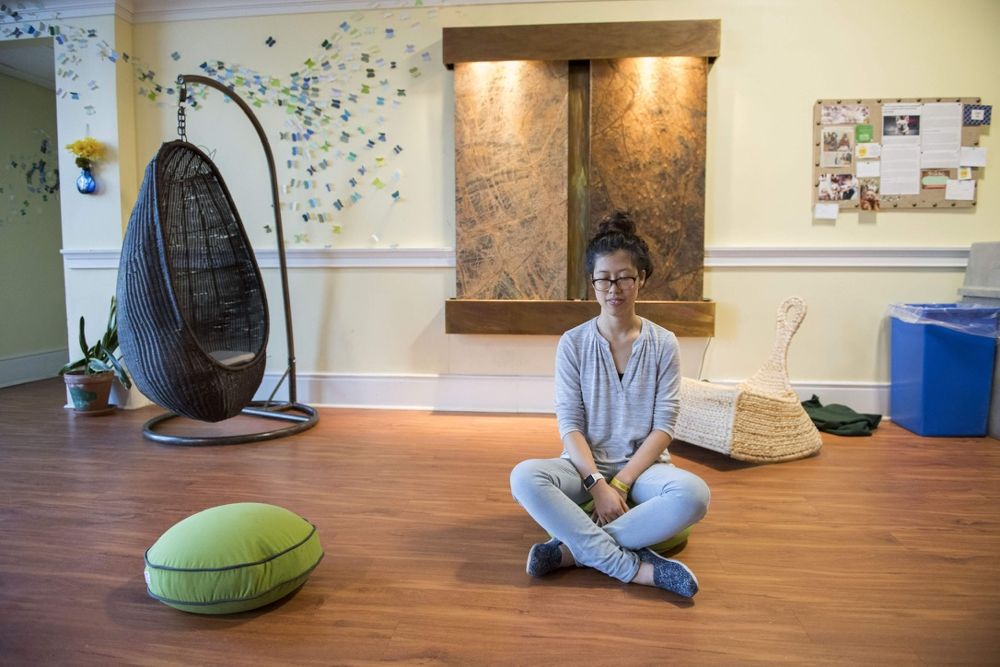
Proposed, designed, and built a student wellness space from nothing at Carnegie Mellon. Now in colleges, hospitals, and high schools worldwide.
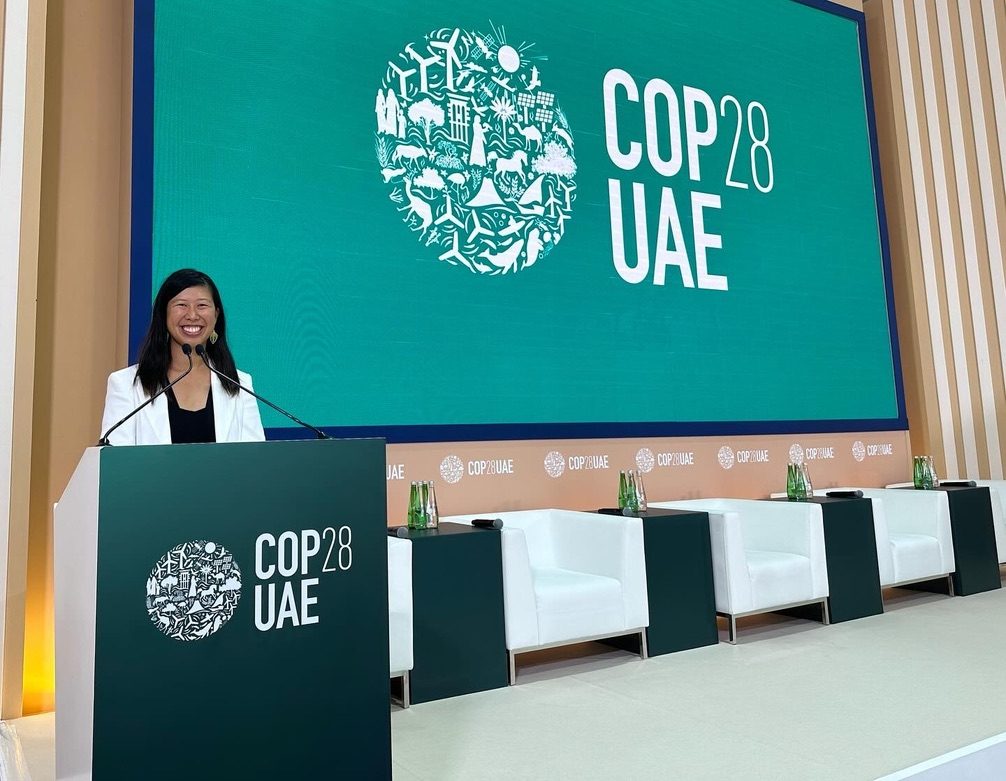
Led CMU-Q to the first FEE EcoCampus certification in the Middle East and North Africa. Carbon offsets, transport, biodiversity, culture change.
Weekly notes on where AI money is going, what is being evaluated, and what nonprofits should ask. Written for program officers, nonprofit leaders, and the people who build AI.
Notes and themes, with a source on every claim.
The latest from the newsletter on AI philanthropy, evaluations, and governance.
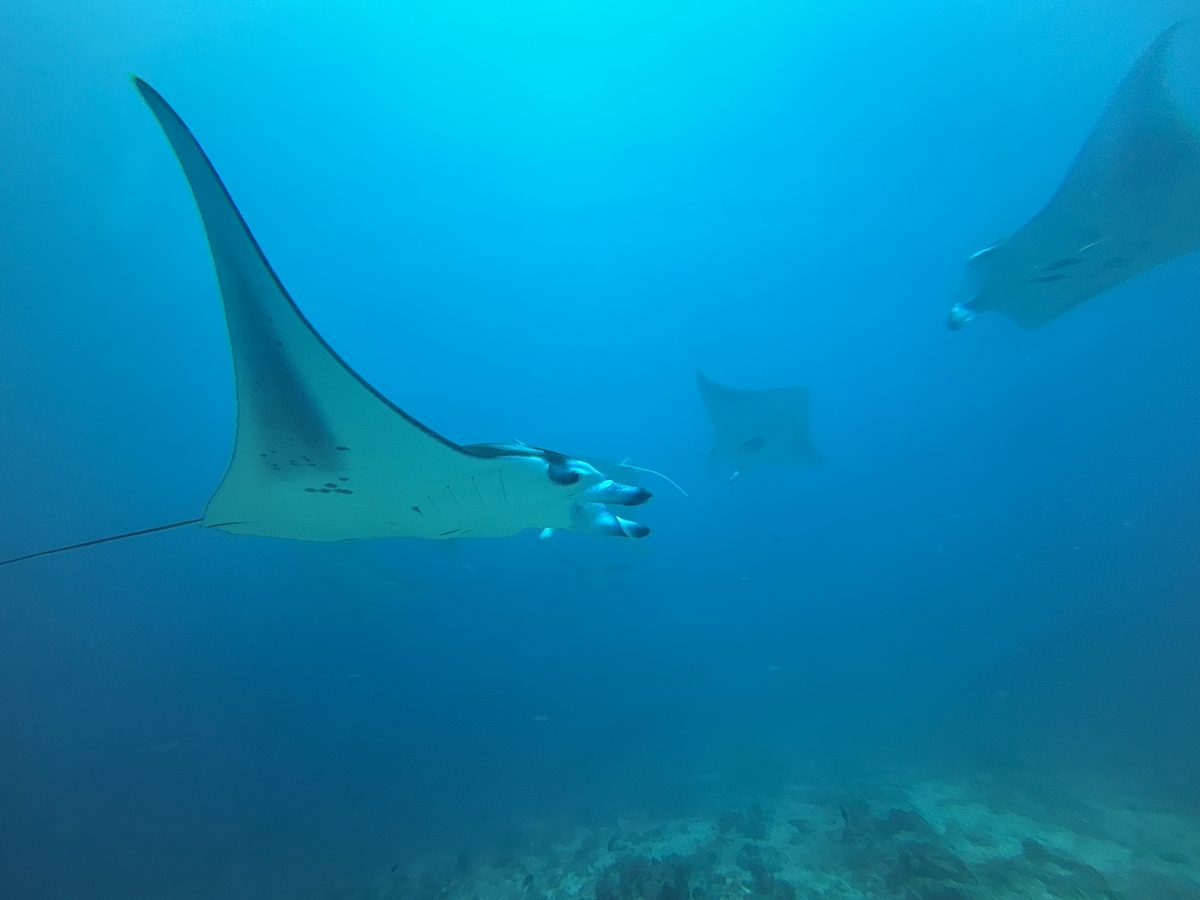
Subscribe on SubstackThese ecosystems shaped how I think about responsible technology. AI can help us monitor reefs, track species, and model emissions. It also consumes energy and resources. Both things are true, and both need measurement. I dive to see how healthy the ocean actually is.
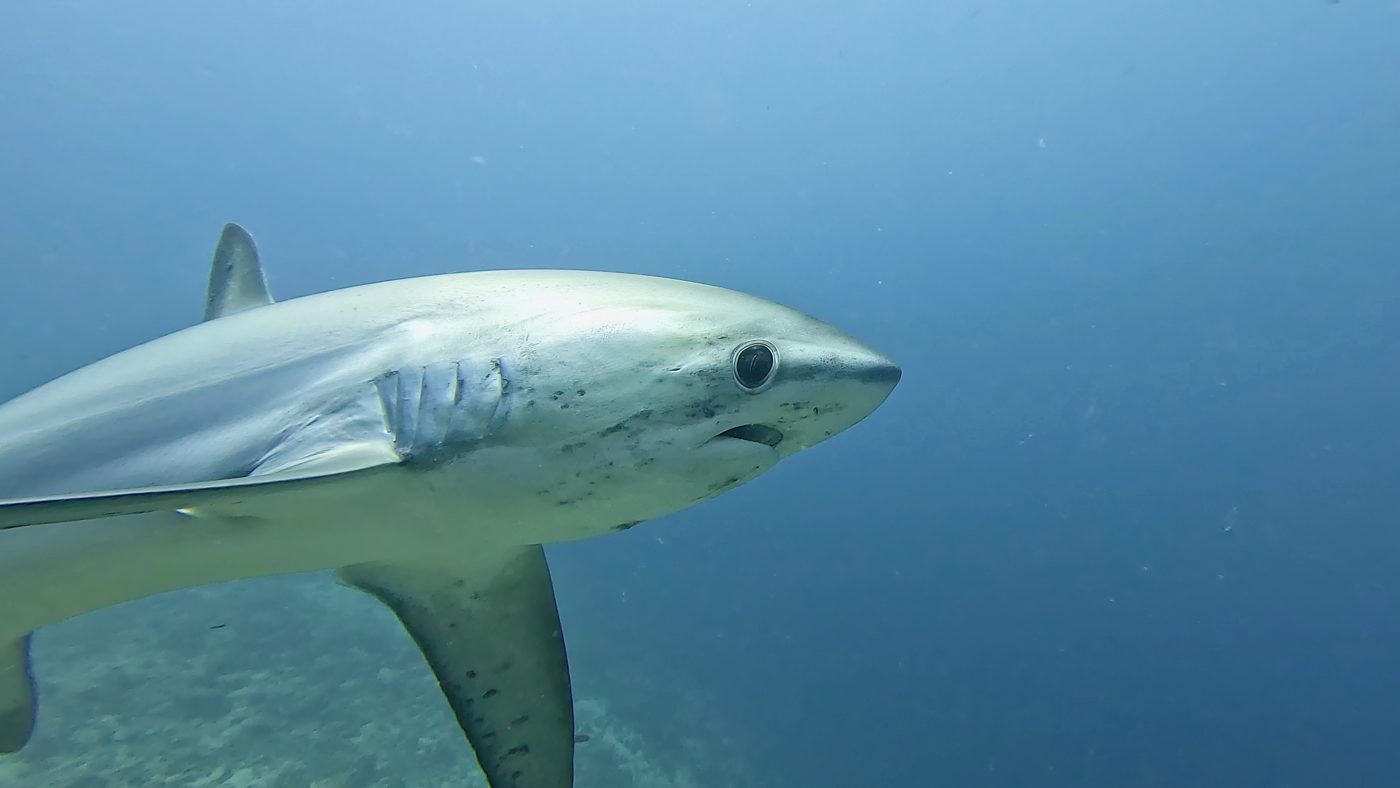
The dots that have been drifting across the page come together into a whale shark.
Depth means evidence you can trace. Like a whale shark's spots, every case here is its own pattern, and I keep the sources next to it.
Whale sharks are the largest fish in the sea, and they have been tracked diving more than a kilometer down. Each one wears a pattern of spots that belongs to it alone. Researchers use those spots to tell individuals apart and follow them across oceans.
They are endangered, and they feed on the plankton that the whole ocean depends on. That is how I think about the communities I work with. Every dot is different, but whole when all connected together.
Swim your mouse through the dots. A few of the dots in the shark are special. Click one to find out something about me.A few of the dots in the shark are special. Tap one to find out something about me.
I take on: research on AI adoption and safety in nonprofits and public-sector health, evaluation design, and convening.
Funders and program officers: the fastest way to understand my work is the maternal health paper, the newsletter, and the resume.